Caring for an aging parent can feel overwhelming, especially when your siblings have different opinions, emotions, and expectations. In this real-life story, Care Manager and Patient Advocate Eric Klein shares a family’s deeply personal journey through the confusion and heartache of dementia care. His firsthand experience in the article below shows how the right guidance can turn chaos into clarity and help families make compassionate, confident decisions together.
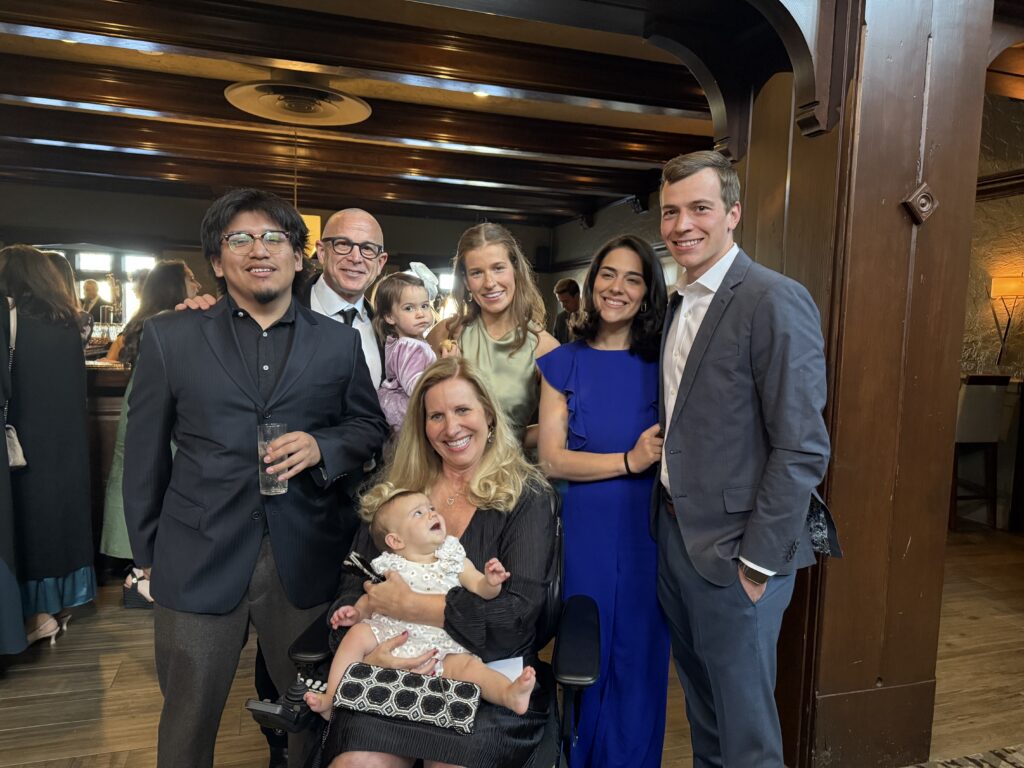
Words by Eric Klein, CarePatrol Chicagoland North
If you have tried to organize a family Zoom chat to schedule a holiday event, you know what happens when too many people have conflicting schedules, opinions and family baggage. Now imagine that same chaos applied to your aging parent’s care.
The Johnsons have for adult children, one mom named Laura, and enough conflicting ideas about mom’s care needs to rival a Thanksgiving dinner debate about politics.
Mom is 78, kind, funny, physically healthy and battling moderate dementia. She’s anxious, forgetful, and struggling in the social circles that used to define her. She loved playing mahjong, but now can’t remember the rules. She avoids restaurants because ordering off a menu feels like reading a car lease. She can’t manage her home anymore, the bills are piling up and the oven is always on.
Linda, the oldest daughter took a leave of absence from her teaching job to take care of mom. What started as “just until we figure things out” turned into a full time caregiver job. She was managing meds, constantly changing sheets and diapers to deal with incontinence, patrolling the house at night to keep mom from wandering outside, and doing laundry, making meals and trying to support mom emotionally.
Linda’s burnout level was off the charts. She hadn’t slept through the night in months and was terrified mom might drive of again. She wanted to take away the car keys but her siblings wouldn’t let her. She felt like the bad daughter.
Michael, the oldest son lives in California and is still a huge Bears fan. He’s been home once this year, and from 2000 miles away, everything looks fine. He insists mom is “a very good driver.” I had a flashback to Rain Man with Dustin Hoffman – “I’m an excellent driver!” Except in this version mom ended up in Wisconsin, 150 miles away, because she “just missed one turn.”
Michael’s heart was in the right place. He doesn’t want mom to lose her independence. He’s adamant that “there is no way in hell we’re putting mom in a nursing home.” His solution? “Just hire a full time caregiver.” When I explained that 24/7 home care with two shifts can run over $25,000 per month, he went quiet. He wasn’t willing to contribute financially, but insisted that Linda just make it work.
Leslie lives nearby in Chicago. She is the “weekend caregiver,” giving Linda a break on Saturdays. Except even on her day off, Linda’s phone keeps ringing: “Mom won’t eat her food, mom just pooped her bed, moms keeps walking into the neighbor’s house…” Leslie’s heart is huge, but she still doesn’t think mom is “that bad.” She is seeing the highlight reel, not the behind the scenes footage.
Leanne, the youngest, is a single mom raising four kids of her own. She is overwhelmed and terrified of wasting her parents’ savings. “Mom would want us to have that money when she’s gone.” Determined to do her part, she went online and filled out a “Find Senior Living Near You” forms. Within hours, her phone exploded – a relentless storm of calls, texts and emails from every senior community within 20 miles. She asked me to “make them stop calling!” She should have called me first. She had fallen into the online trap where your contact information is given to dozens of providers, each fighting to capture the lead. It’s enough to make anyone swear off Google.
When families are this tangled, someone with experience has to take the lead. That’s where I come in to “care quarterback.” My role is to help families like the Johnsons make sense of the chaos and find solutions that keep everyone safe – physically, emotionally and financially.
I called a family Zoom meeting.
The first 10 minutes included, two people crying, one person shouting, one person talking over everyone else, three different definitions of “independence”, and one muted sibling using the chat to say “this is crazy!” Four kids, twenty opinions, zero consensus.
I calmly explained that before anyone could make decisions, mom needed a proper updated cognitive evaluation. I scheduled the test. The results confirmed what Linda already new – mom no longer had capacity. She was not decisional. She couldn’t manage her finances, medications or health care choices. Then came the curveball. Mom had named Michael her Power of Attorney for healthcare and finances. Michael puffed up with pride “Great. My decision is that Linda continues to be mom’s caregiver.”
I had to laugh. Michael, “That’s not how POA works. You don’t get to assign the family jobs like you are a manager at Starbucks. Your job is to make decisions in your mom’s best interest – not your convenience.”
I created a Playbook (Care Plan) for Michael and the family. We broke down mom’s care needs: She was physically capable but cognitively impaired. She was anxious, disoriented, and at risk for wandering. She needed help with hygiene, meals and redirection. She was lonely, isolated and losing confidence. I clarified that we were not talking about nursing home options to accommodate her needs. We were going to look at assisted living with a memory care program designed for people specifically like Laura.
Michael started to open up. He told stories about how mom was his hero – his Cub Scout den mother, baseball coach and the glue that held the family together. Every birthday, every injury, every messed up relationship, she was there. He couldn’t bear the thought of her “locked away.” I told her It’s not about locking her away. It’s about unlocking her life again – safely, with dignity and professional support.”
We toured several communities. We found one with the balance of safe, comfortable and engaging that they prioritized. The team specialized in cognitive support, offered restaurant style dining, daily activities and 24/7 care. Mom moved in. There were several nervous days and late night phone calls from all the kids. But within weeks the transformation was undeniable. Linda slept through the night. Leslie got her weekends back and her sense of humor. Leanne stopped fielding telemarketing calls. Michael finally felt comfortable with mom’s “Playbook” and even flew in to visit. I went with him to visit mom. We were sitting in the multi-purpose room listening to musical entertainment and he looked around – residents were laughing, staff was passing snacks, and everyone was safe and well cared for. He said quietly “ I wish we would have done this sooner.”
Caring for a parent with dementia isn’t just about love. It’s about strategy. Families need a quarterback who can call the plays, keep emotions in check, and move the family toward realistic, compassionate decisions grounded in reality, not guilt or nostalgia.
There is no one size fits all solution for senior care. Every family dynamic is unique, every journey different. But with guidance, communication, and the right support, it’s possible to find care that honors both the parent and the family. What matters most is that families make these choices together, informed and supported. Not burned out and divided.
And when you are ready to have that tough conversation, remember: You don’t have to be the quarterback. That’s what I am here for.
Need Help Navigating the Next Step?
If you’re struggling with this decision, please know you’re not alone. I help families navigate these difficult transitions every day – with compassion, clarity, and care – whether that means assisted living, memory care, or support at home.
Feel free to reach out if you’d like to talk through your options. The right time might be sooner than you think. Our services are FREE to families.
Eric Klein
Care Manager & Patient Advocate
[email protected] – 847-653-1213