Welcome to Chicago North Shore Moms weekly Meet a Mom series where we feature one local mama, what they’re up to both personally and professionally.
Beyond her impressive credentials as a double-board certified OBGYN and reproductive endocrinology and infertility (REI) specialist, Dr. Lisa Shandley understands first-hand the emotional and physical toll of infertility — her son Emmett, now 18 months old, is her own IVF baby after two years of trying. That dual perspective, doctor and patient, shapes how she shows up for the families she treats at InVia Fertility (locations in Northbrook, Arlington Heights, Chicago and few more). Off the clock, she’s chasing her toddler around farmer’s markets and the local library, and gearing up for a big move from Arlington Heights to Barrington next week (good luck!).
Get to know Dr. Shandley personally, her recent book recs, favorite restaurants in Arlington Heights and more on her personal infertility journey. And, most importantly, read on as she answers questions around oncofertility, when to stop the proverbial “wait and see,” period, and what she wishes more people understood about the emotional rollercoaster of treatment. Welcome, Dr. Shandley!
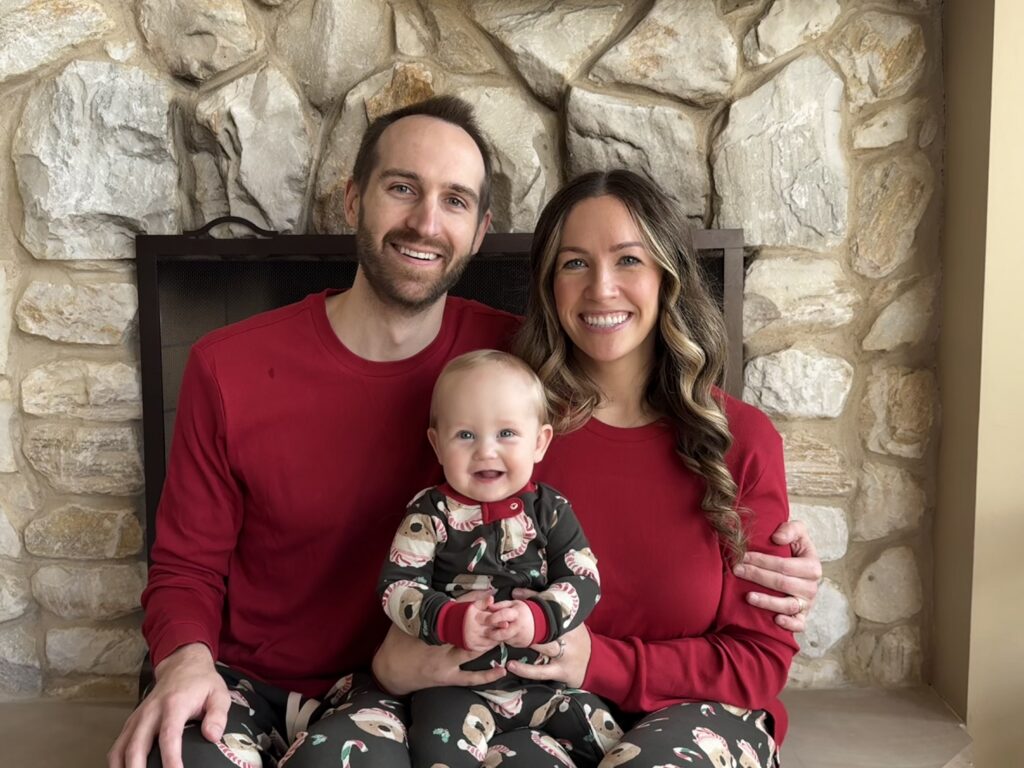
Hi Dr. Shandley! Give us a quick snapshot of you and your life right now. Where you live on the North Shore, what your days look like, and what keeps you busy?
Hi NS Mamas! I currently live in Arlington Heights with my husband and our 18-month-old son. We just bought a house in Barrington and will be moving next week! My husband and I both work full time. I am a double-board certified OBGYN and reproductive endocrinologist and infertility (REI) specialist with InVia Fertility. My husband works for Delta Air Lines. In a former life (pre-baby!), we traveled a ton. Now, we spend most of our time chasing our son around. We like to spend time with family – whether it’s my family in the Chicagoland area or my husband’s family in St. Paul, MN. On weekends, we usually try to hit up a farmer’s market, visit the local library, or take our son on a “road trip” to find adventures.
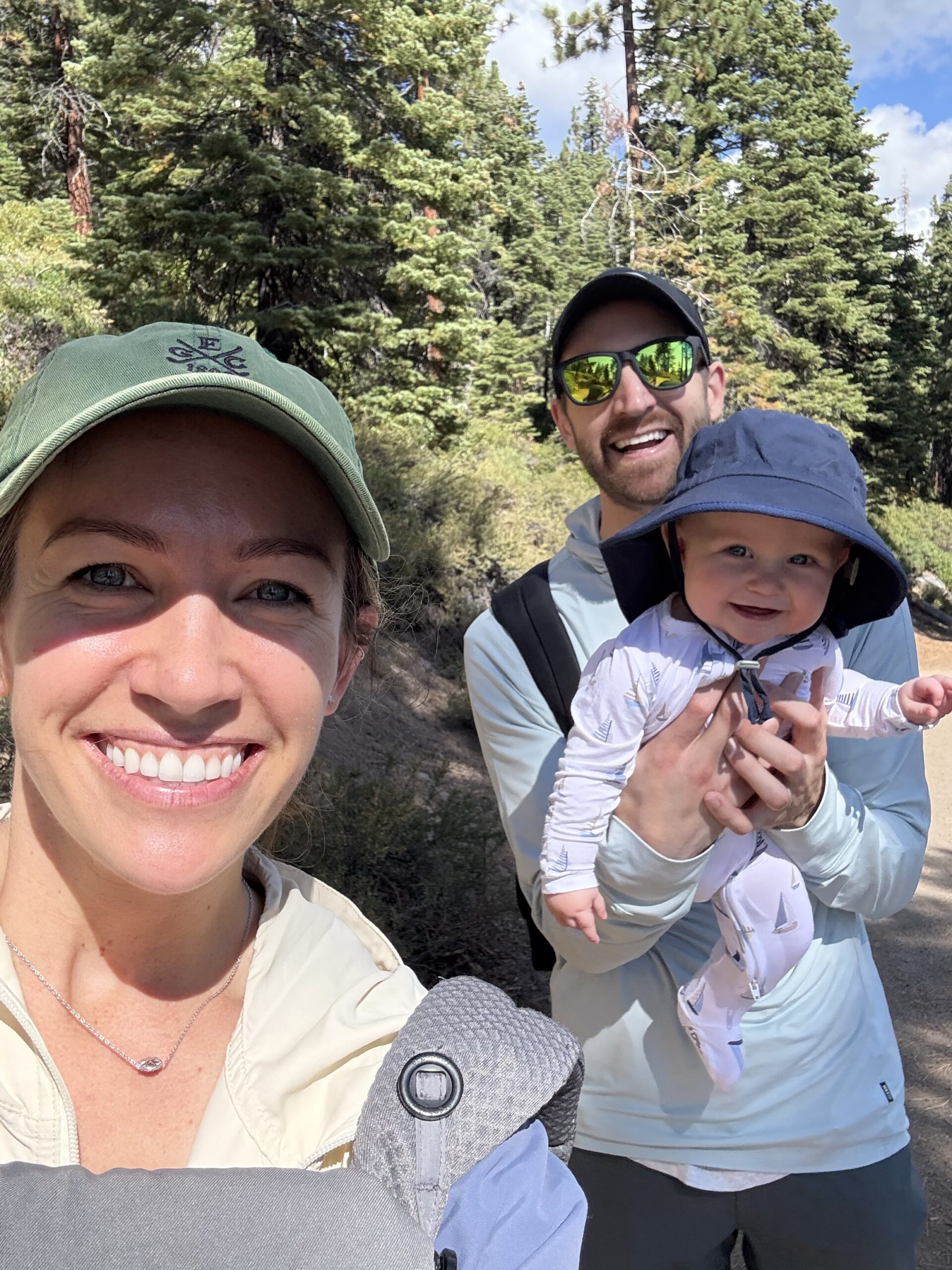
Where are you from originally?
I am originally from Barrington, IL but spent 12 years in Atlanta, GA doing all my medical training before eventually moving back to the Chicagoland area. My parents and my sister are still in the Barrington area, and my husband and I wanted to be near family as we grew our own. In addition to being near family, I have always just felt like the people in the Chicagoland area are the kindest. In our recent housing search, we were definitely looking for community. We are excited to be moving into a neighborhood that would mean that my son will eventually go to the same elementary school that I attended!
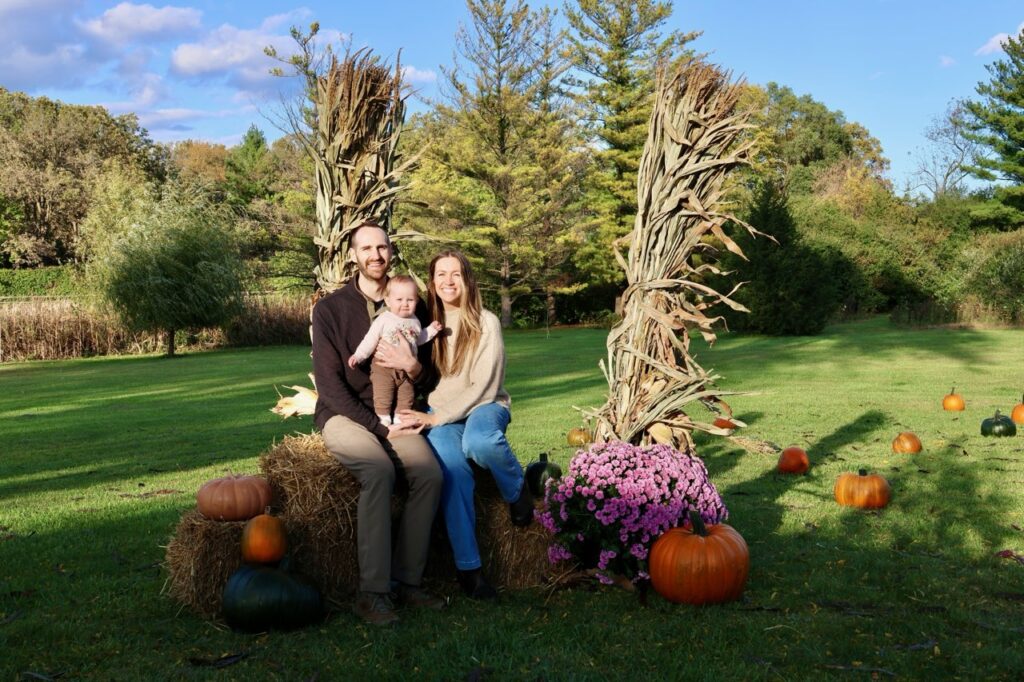
Tell us about your family. What does motherhood look like in your house these days?
I live with my husband, Michael, and our son, Emmett. I could brag on my son all day. I think he’s the cutest and smartest 18-month-old to ever exist, though I acknowledge I am genetically dispositioned to think this way. ☺ Emmett is our little angel baby, but he did not come easy. We struggled with pregnancy loss and infertility prior to conceiving Emmett with the help of in vitro fertilization (IVF). I was in my fellowship training for REI at the time we went through treatment, and it was eye-opening to be on the patient side of the experience. Almost exactly 2 years after we started trying, our little Emmett was born. Emmett loves music, trucks, airplanes, and trains. (“CHOO-CHOO!”). He loves birds and horses (from a distance). He likes chasing after his cousin, Maeve, who is 6 months older than him.
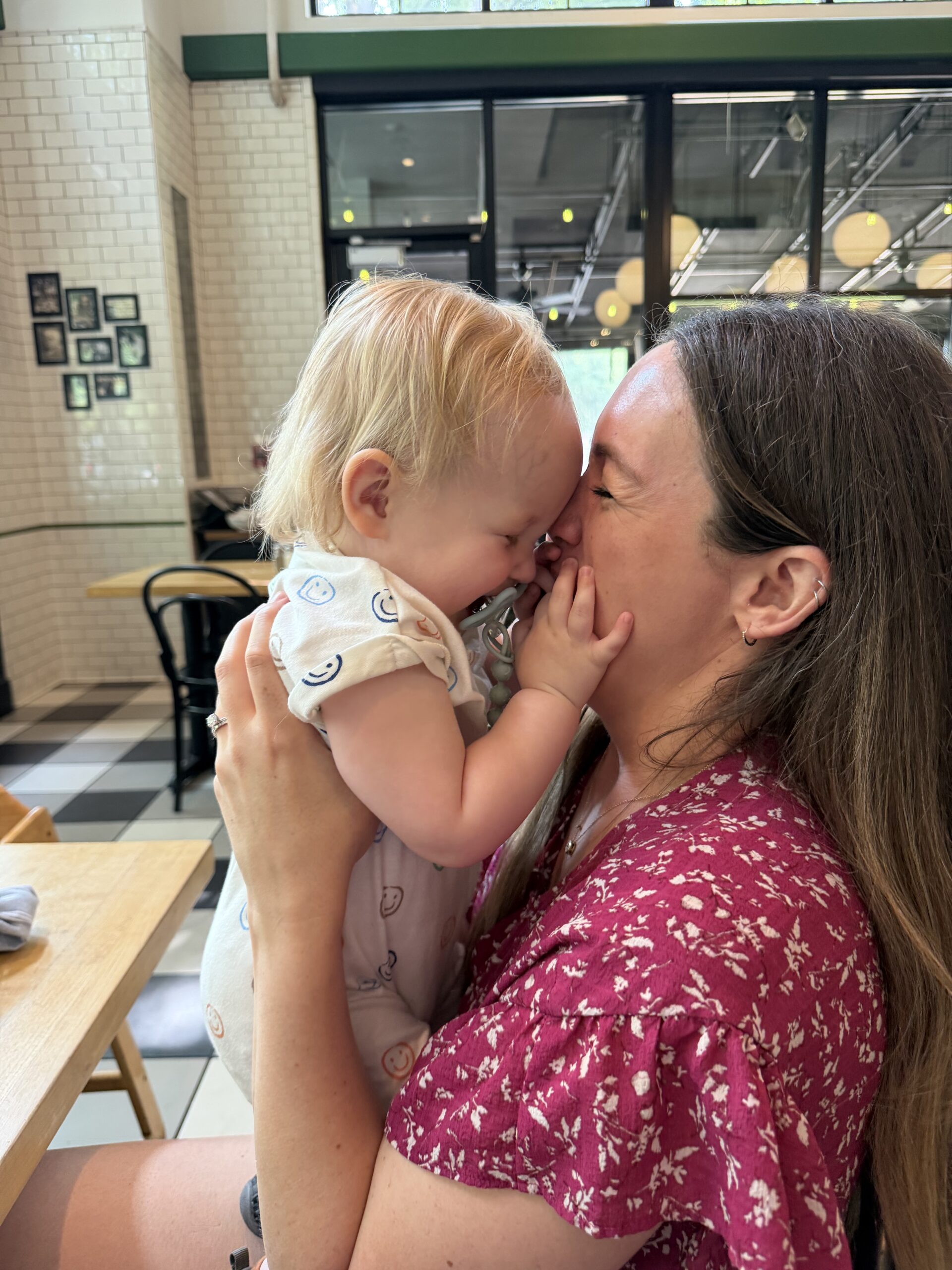
What’s something about you that might surprise people outside of your work and mom life?
I play the banjo! (Not well.. I am self-taught so far and could definitely benefit from lessons.) But now that my free time will no longer be taken up by house-hunting, I am hoping to get established with regular lessons. My husband taught himself guitar, and we are looking forward to finding some songs to play together.

Where are your go-to spots right now?
We live right near Recreation Park in Arlington Heights, so we go there frequently with our son. Some of our favorite local restaurants are Bar Salotto for Detroit style pizza, Nostimo for gyros, and Mago for Mexican food. We are huge fans of the Arlington Heights public library. We’re excited to discover some new favorite spots after we move to our new home.
What are you loving lately? Any TV, books, podcasts?
I’m not a big TV or movie person, but I am a big fan of reading. Recent 5-star reads include Wild Dark Shore (Charlotte McConaghy) and I Am Pilgrim (Terry Hayes). I could also always go for a Kristin Hannah novel or a Karin Slaughter suspense/thriller (bonus points if they are set in Atlanta because it gives that extra layer of nostalgia). When I’m feeling particularly adventurous and like I want to jump into a long one, I’ll pick up a Brandon Sanderson novel – don’t be scared of the 1000+ pages! They fly by!
It’s time to get down to business! Please introduce InVia Fertility. Tell us about your background and how long you’ve worked for this fertility clinic.
I joined InVia Fertility as my first job out of medical training, and I have been there for almost 2 years now. My joining InVia brought us to be a group of 5 physicians. InVia Fertility has been helping parents in the Chicagoland area to grow their families for decades. In fact, I went to high school with the children of one of my practice partners! I currently see patients in Arlington Heights, Rockford, Hoffman Estates, and on telehealth. InVia is part of the First Fertility network of clinics. So while InVia Fertility helps local families, they are also part of a nationwide network, which helps ensure we are using the most advanced technology in our lab and getting weigh-in from true experts in the field of reproductive medicine across multiple institutions. We see a range of patients of different backgrounds and experiences – couples with infertility, recurrent pregnancy loss, single parents, LGBTQ+ individuals and couples, you name it!
You’ve been through fertility treatment yourself — how has that shaped the way you show up for patients?
As I mentioned before, Emmett is my little IVF baby. I am by no means the only infertility physician that has also faced infertility. But I do think that having gone through it gives me an interesting perspective on the patient experience that I could not have gotten from just medical training alone. One thing that is really important is that I never assume that just because I went through fertility treatment that I know what my patients are struggling with the most. Some things about the process seem universal – for example, I can speak to which of the medications feel spicy when you inject them – but there are other aspects of the process that are challenging for very personal reasons, and I never want my patients to feel like I assume I know their experience because I’ve had my own.
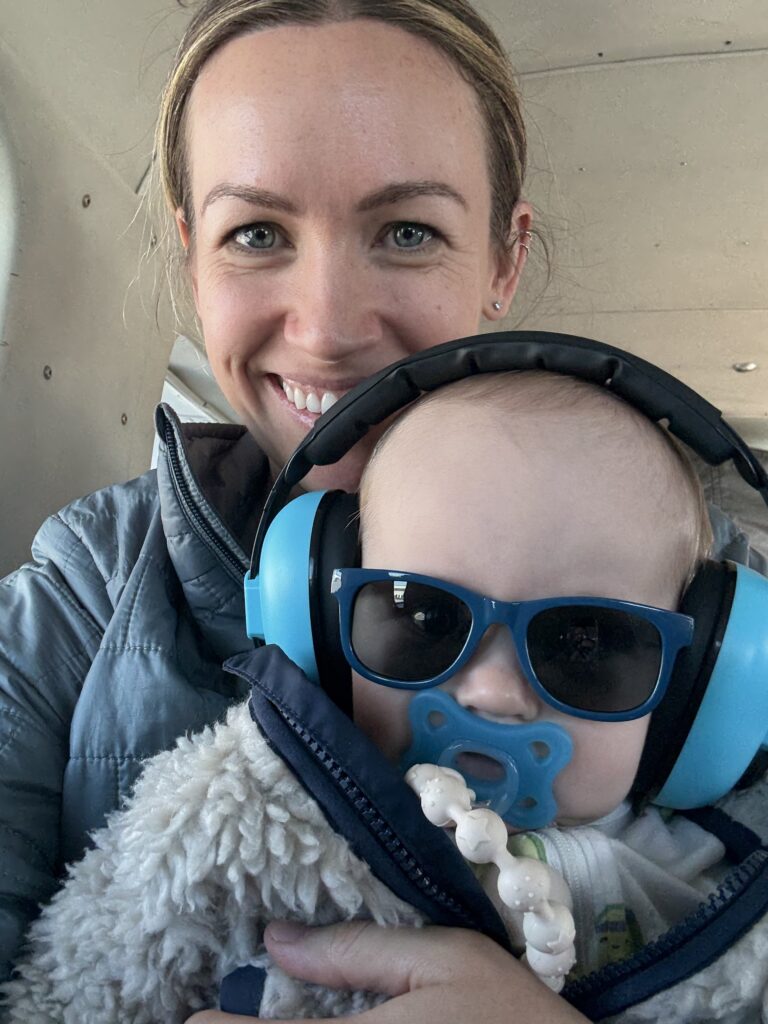
Going through fertility treatment did make me very aware of some of the challenges that different people may face throughout the process and truly how hard and confusing of a process it can be to go through. Despite being an infertility doctor, I had trouble navigating the insurance landscape; I had trouble trying to work out the logistics of scheduling despite getting care at a clinic that I worked in. I know that these things are even harder for patients. So I think that the biggest thing that I do now to show up for my patients is to really try to help them navigate those parts of the process that I felt I had to do alone.
Can you explain what oncofertility is, and why fertility preservation matters for someone facing a cancer diagnosis?
Oncofertility is a branch of reproductive endocrinology and infertility care that deals with patients who are facing a cancer diagnosis where treatment for their cancer may render them infertile. Many of the most common cancers in individuals of reproductive age have great survival rates with current treatment. But that treatment can often impact the number of eggs in the ovaries (for women) or sperm production (for men). In addition to cancer, there are other medical conditions where the treatment for that condition involves harmful agents that can be classified as chemotherapies – such as sickle cell disease, lupus, or other rheumatological conditions. Fertility preservation (freezing eggs or sperm) prior to undergoing treatment is one of the best ways to increase the chance of building a family in the future for those who haven’t started or are not done building their family at the time of diagnosis.
Expanding access to fertility preservation in this patient population is something that I feel very strongly about. Freezing eggs or sperm is often looked at as “elective” – but for these patients it may be the only option to have a genetically-related family in the future. When I was in fellowship training, I helped draft and advocate for legislation that mandated insurance plans sold on the Georgia state market to cover fertility preservation for individuals with cancer, sickle cell disease, and lupus. I’m happy to report that the legislation passed last year.
At what point should someone stop “waiting and seeing” and make an appointment with a reproductive endocrinologist?
I think it’s never too soon to get more information about one’s reproductive health. The American Society for Reproductive Medicine recommends seeing a fertility doctor if you have been trying to conceive for 12 months without success and are younger than 35 years. If you are 35 years or older, you should seek evaluation after 6 months of trying. And at age 40 or older, it’s reasonable to go right to a fertility doctor. These recommendations are for people who have regular menstrual cycles and no known cause of infertility.
However, if you already have a known diagnosis that is associated with infertility, such as PMOS (previously PCOS) or endometriosis, seeking care immediately once you decide to start trying to conceive is appropriate. Additionally, there are some people or couples who know that they are going to need medical assistance to growth their family – like single parents by choice or same sex couples needing donor sperm or egg. For people in those scenarios, it’s also appropriate to seek immediate fertility care. I often hear regret from patients who wish they got evaluated sooner. Making an appointment and getting an initial evaluation does not commit you to treatment, but it might give you information that empowers you to move forward with building your family in the way that is best for you.
What do you wish more people knew about the emotional experience of fertility treatment before they start?
When people say it is a rollercoaster, they are absolutely right. There are ups and downs, days to celebrate and days to mourn. I think one of the things that causes a lot of emotional upheaval is just how little control people feel like they have.
I often get asked by my patients, “Is there anything I can be doing differently?” There are definitely healthy lifestyle modifications that people can take ownership of to make changes in their life that may have a beneficial impact on their reproductive health. But most people are already doing all the right things – following a balanced diet, getting some regular exercise, trying to get adequate sleep, abstaining from tobacco use, etc.
However, there is an entire industry that preys on the vulnerabilities of women going through infertility treatment to try to make you feel like you need to buy some expensive supplement, follow a particular diet, etc. Some people may even feel like their doctor isn’t telling them all their options if these niche “treatments” aren’t mentioned.
I think it’s really important to acknowledge the emotional experience of feeling out of control while also trying to empower patients to pursue evidence-based treatment.
I also think that counseling or therapy while going through the emotional aspect of fertility treatment can be really helpful. There are some excellent psychologists who specialize in individuals and couples going through infertility treatment; this is an underutilized part of the whole fertility care picture.
Where can we connect, ask questions, book a consultation with you, etc.?
I see patients in Arlington Heights, Hoffman Estates, Rockford, and on telehealth. If you are struggling with infertility or just want more information about your reproductive health, I’d love to connect! Call InVia Fertility at 847-884-8884 to register as a patient and book an initial consultation. You can also follow InVia Fertility on Facebook, Instagram (@inviafertility), or TikTok (@inviafertility), or follow me on Instagram (Lisa.Shandley.MD).
About Our Spotlight Partner
Chicago North Shore Moms is supported in part by Mary Gregory Gifford, a Lake Forest mom of three and owner of Gifford Law, a solo Estate Planning Firm (wills and trusts). Mary, we appreciate your support of local moms in our North Shore communities! Learn more about Mary by visiting her Meet a Mom spotlight here! Contact Mary directly here: [email protected].